
Baptists and The Lord’s Table
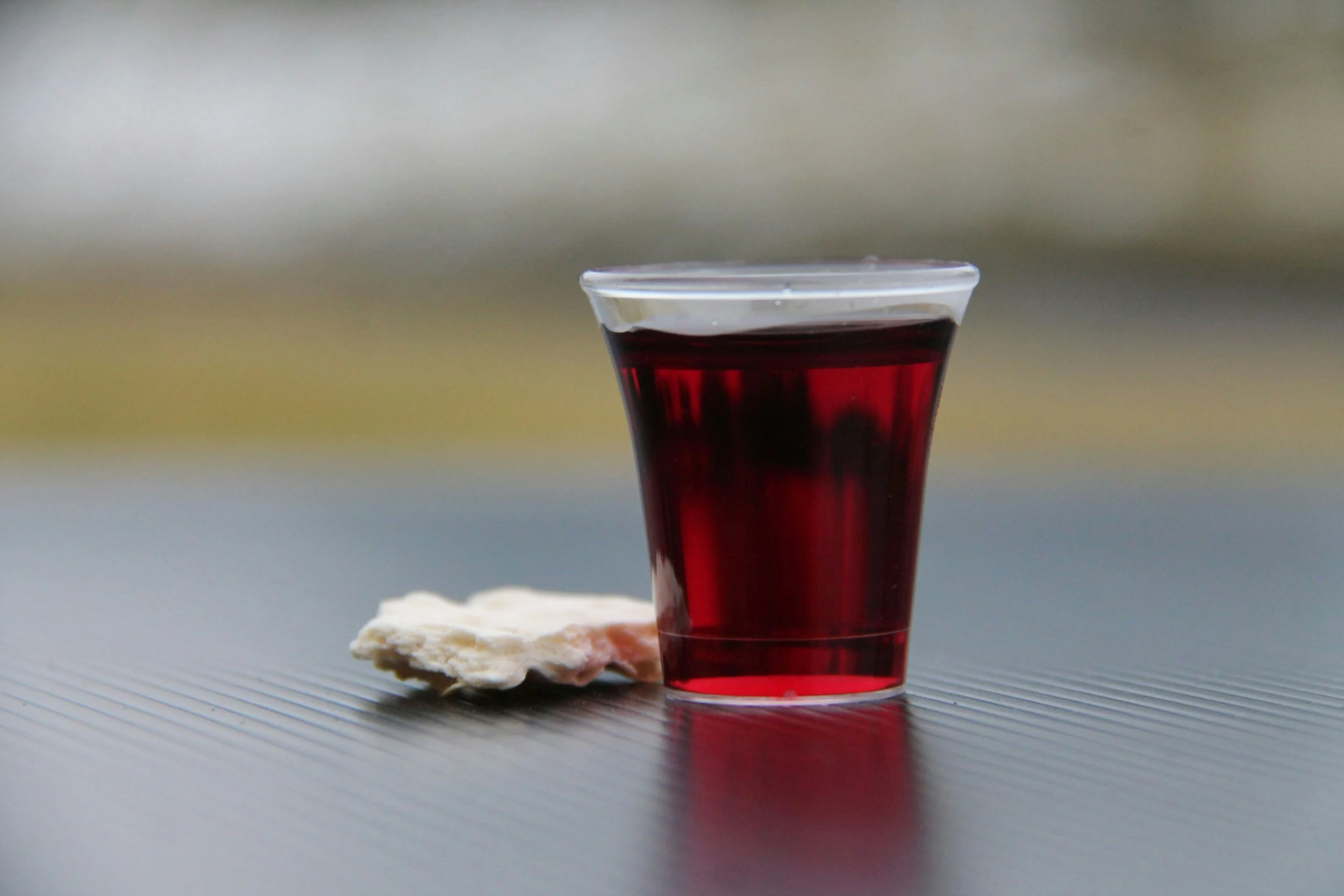
It’s a debate going on for over 500 years. What actually happens during communion? Is there a transformation of substance as Rome demanded? Is there a spiritual presence within the bread and wine as Calvin argued? Is there, as Luther contended, a mysterious physical presence in the elements, “as heat is to iron?” Baptists have most often taken the Memorial View, focusing on the remembrance of the gospel, advocated by Ulrich Zwingli, the Swiss Reformer.
What really matters of course is what is biblical. What are we ordered (from which we get ordinance) to do? Recognizing the diversity of views and still unity of faith, let’s examine together why the Memorial View might make the most sense of the biblical evidence.
The precedent for communion was Passover
It is important to note that Jesus did not create a new sacrament from scratch. He was infusing the Passover meal with a new covenant meaning. Passover was celebrated by faithful Jews for centuries from the Exodus to the Last Supper. As families gathered around the table for the paschal celebration, they saw the meaningful and symbolic nature of the various elements. Inaugurating the week-long celebration of the Feast of Unleavened Bread, “This day shall be for you a memorial day,” (Ex 12:14). Bread without yeast and the four cups of redemption were valuable teaching tools commemorating salvation from Egypt. Jesus was saying a new exodus is here, and the Lamb of God has come to atone for us, that God might pass over our sins.
Jesus said “This is my body” while physically present
Jesus' statement, “This is my body” is often used as the strongest evidence for his physical presence in the bread and wine. However, what is often overlooked is that Jesus said this while in the upper room with his disciples. Was his physical or even spiritual body in the elements at the time he spoke to them? We could run amok into strange theology here. Some might argue that at that moment he was speaking of the future observance of this ordinance. But that would mean the Last Supper itself was not a legitimate communion. Certainly that does not sound right. Far more likely, he was speaking symbolically. It is as if to say, “this broken bread and poured out wine symbolizes what will happen to me.”
Jesus instructs us to do this is as remembrance
Jesus gave very few direct commandments during the Last Supper, but the clearest was this: “Do this in remembrance of me,” (Luke 22:19). The term “Memorial View” or “Memorialism” is almost an exact restatement of this stipulation: do this as remembrance. We might debate all day about whether there is also a physical or spiritual presence in the elements, but one thing that should be beyond debate is that communion is a memorial; it is meant to point us back to the cross and the resurrection. It is meant to remind us of the gospel.
Symbols are essential for the Christian life
A big pulpit Bible is a mighty object…because of the power it has when you proclaim it. Baptism is a glorious act…because it is a public profession of one’s union with Christ. The cross is the image of Christianity…not because of the wooden or golden material, but what it symbolizes: Jesus Christ dying for our sins. Communion, like other symbols in the Christian life, is a wonderful blessing, but its power is not in the act of eating bread and drinking wine. Its power is in the One it points us to. Symbols matter. Dishonoring these symbols comes with spiritual consequences. God is not mocked. As I would never stomp on a Bible or spit on a cross, so taking communion in an unworthy manner comes with divine disapproval (see 1 Cor 11:17-34).
Symbolizing the gospel is the spiritual blessing!
Rather than looking for a spiritual blessing found within the elements, we should consider the spiritual blessing found in the gospel. Communion, by guiding us back to the work of Christ for us on the cross, leads us to where the tidal wave of spiritual blessing flows. It is not found in the observance itself, which can so dangerously be observed by rote, but in our reflection, worship, and gratitude over the work that Christ has already done for us. It proclaims the gospel to us all over again, “For as often as you eat this bread and drink the cup, you proclaim the Lord's death until he comes,” (1 Cor 11:26).
At the end of the day, our Anglican, Presbyterian, and differing Baptist brothers and sisters are together celebrating the wonderful gift of The Lord’s Table. We are united. Yet, those of us who hold the Memorial View need not retreat into thinking this is somehow a “low church” ecclesiology. Indeed, as I would see it, to call us to remember the gospel is the highest order ordained in heaven or on earth!